One taught me how ideas get made.
One taught me how businesses get run.
One taught me how marketing can move a company at global scale.
Together, they've shaped how I think about marketing, business and growth.
Creativity is one of the last unfair advantages in business.
Not because it's artistic.
Because it changes what people believe.
And belief changes everything.
From retail to financial services.
From software to hardware.
From real cars to toy cars.
Different businesses.
Different challenges.
It was like cross-training for a marketer.
The advantage is knowing what travels.


I've spent 25 years making one argument: creativity isn't decoration — it's leverage. Here's the evidence.
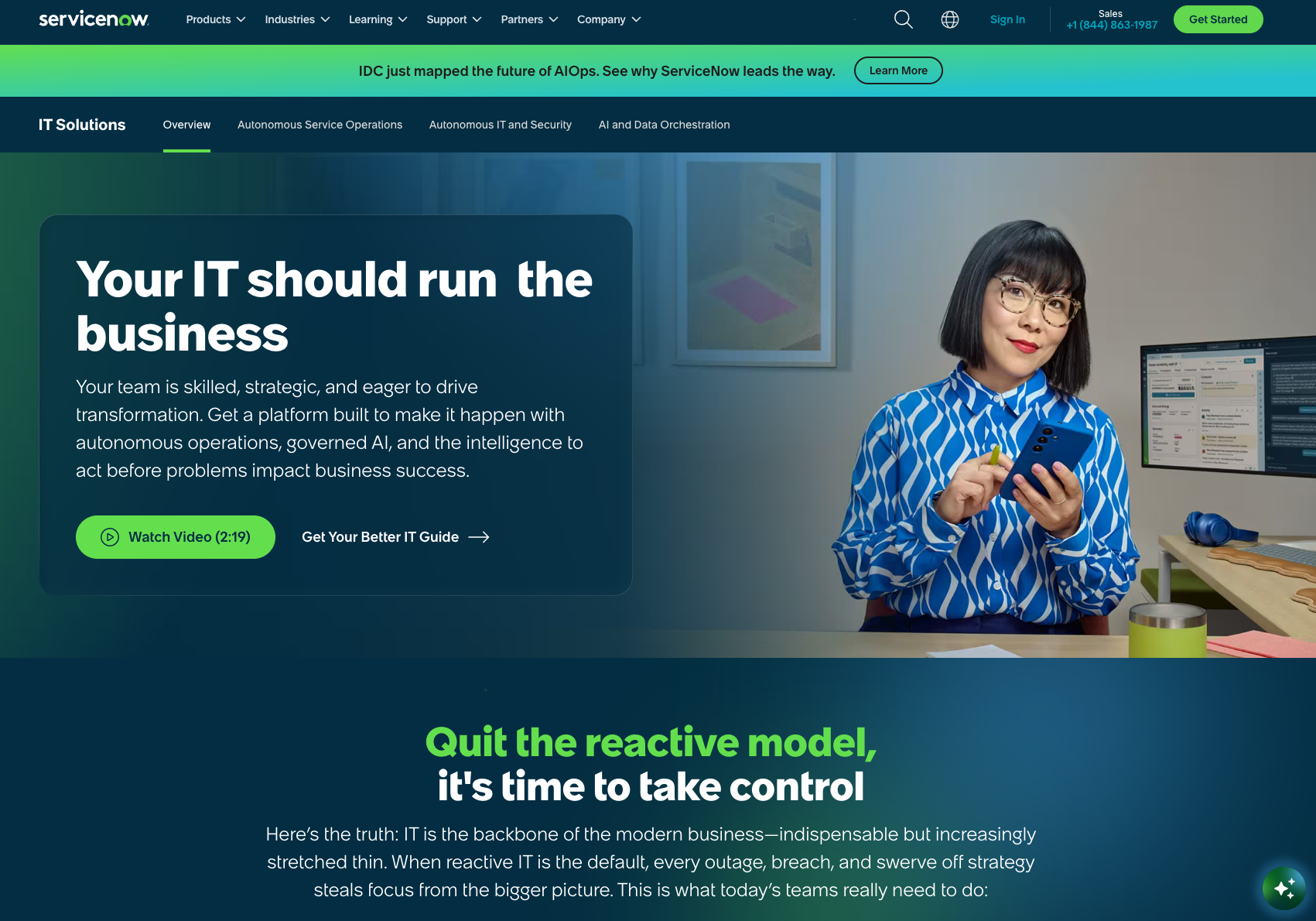
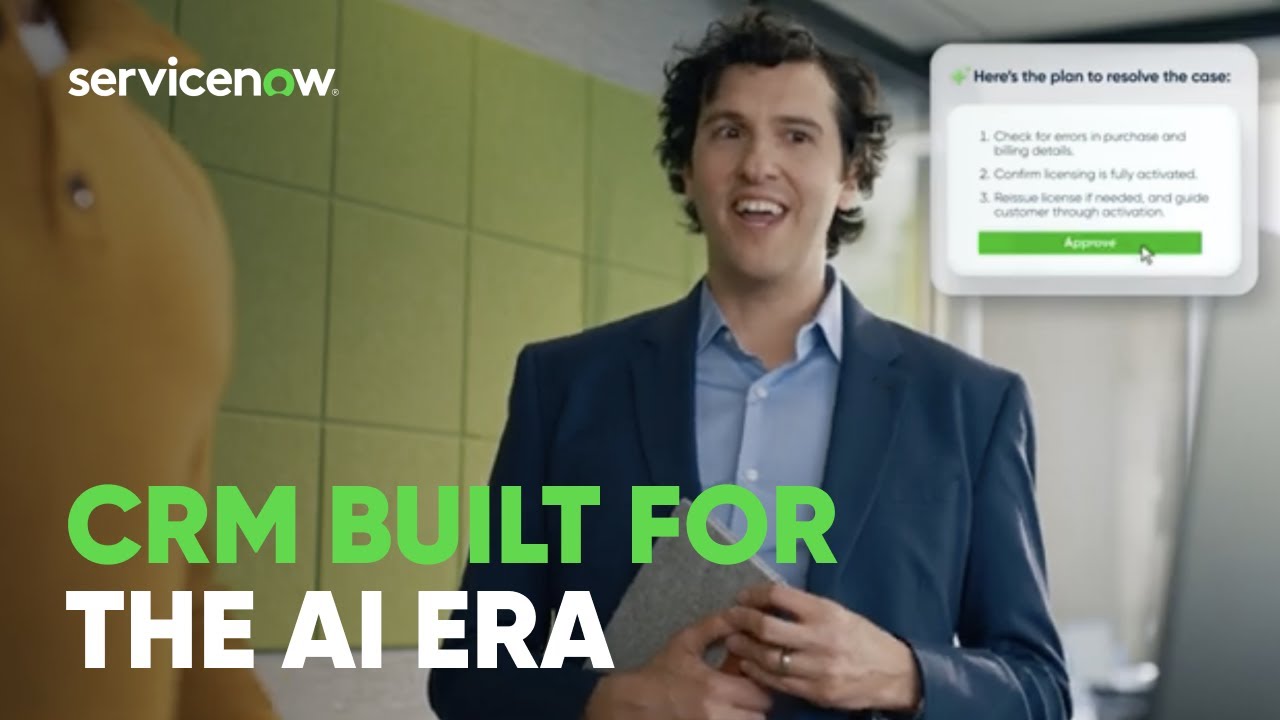
We had only just begun our move from IT solution to C-suite partner when in late 2022, ChatGPT changed everything. We quickly assessed that our future as a C-suite partner depended not just on being a transformation platform — but being the company that had a distinctive POV about AI.
B2B in general starts with features and builds up. We started with two key pieces of data that shaped everything.
The implication was clear: brand building wasn't a nice-to-have. It was the business strategy. We needed to be on the Day 1 list before anyone started searching.
CEOs, CFOs, CIOs — the people who build the Day 1 list. And the business decision makers who influence them. Two audiences who needed to see ServiceNow as the AI platform for business transformation, not just an IT tool.
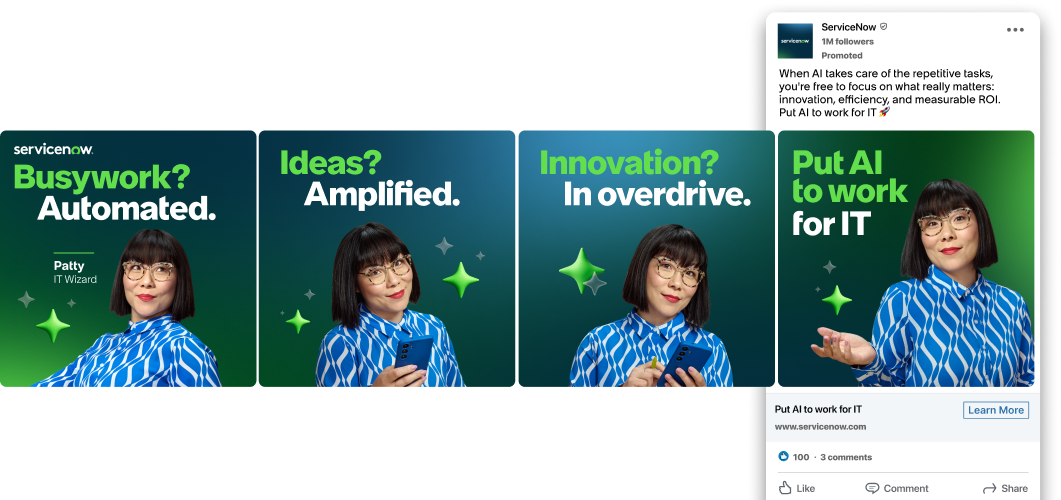
Every enterprise tech company was flooding the market with AI efficiency messaging. It all sounded the same. The opportunity was to cut through — raise aided and unaided awareness — by building distinctive brand assets. Recognizable characters.
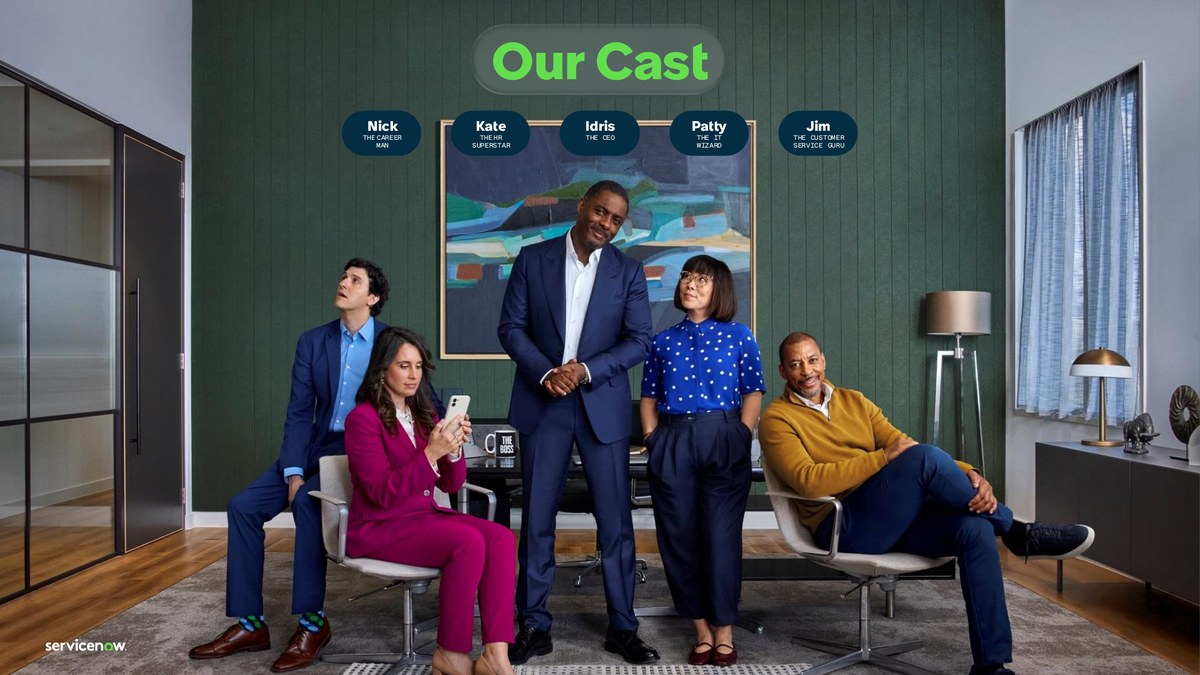
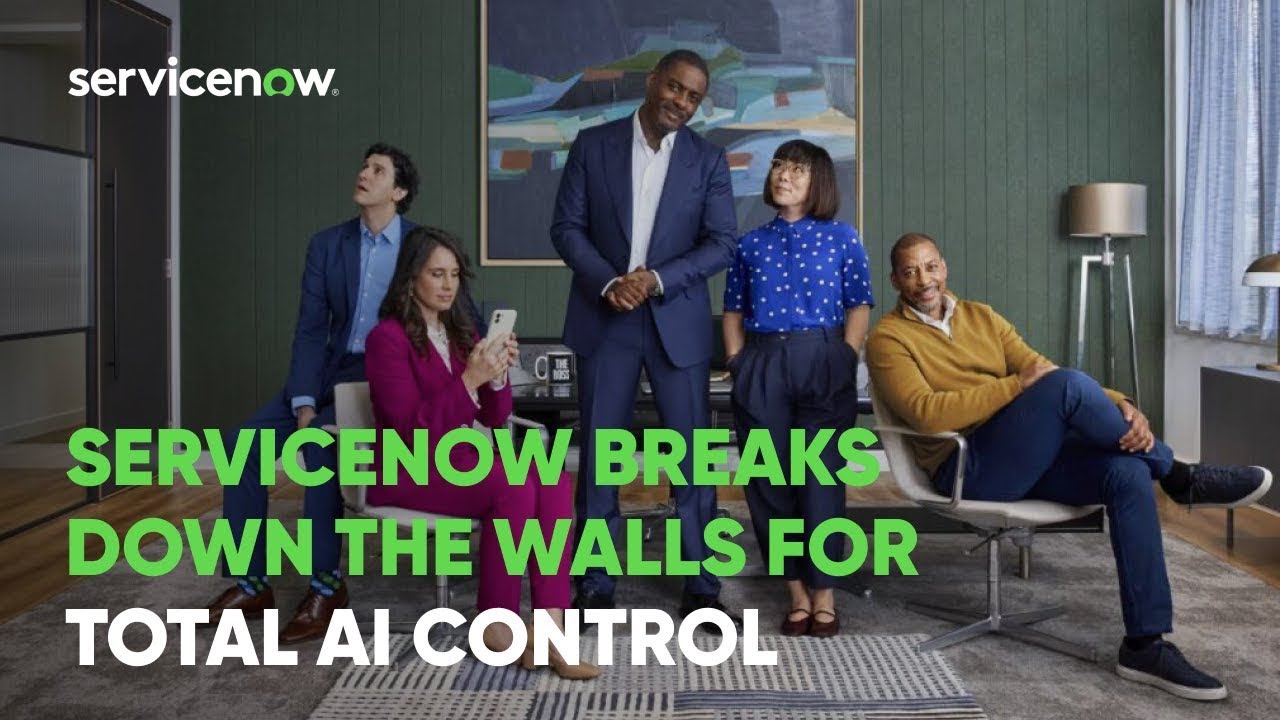
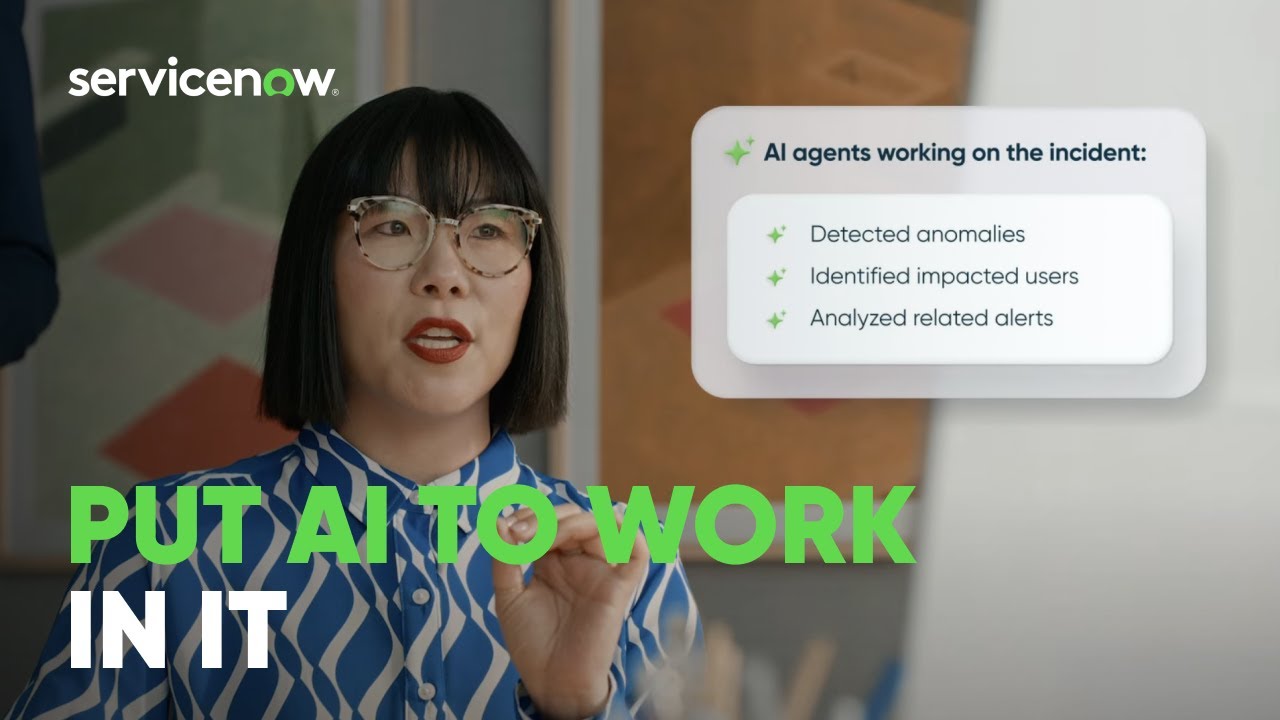
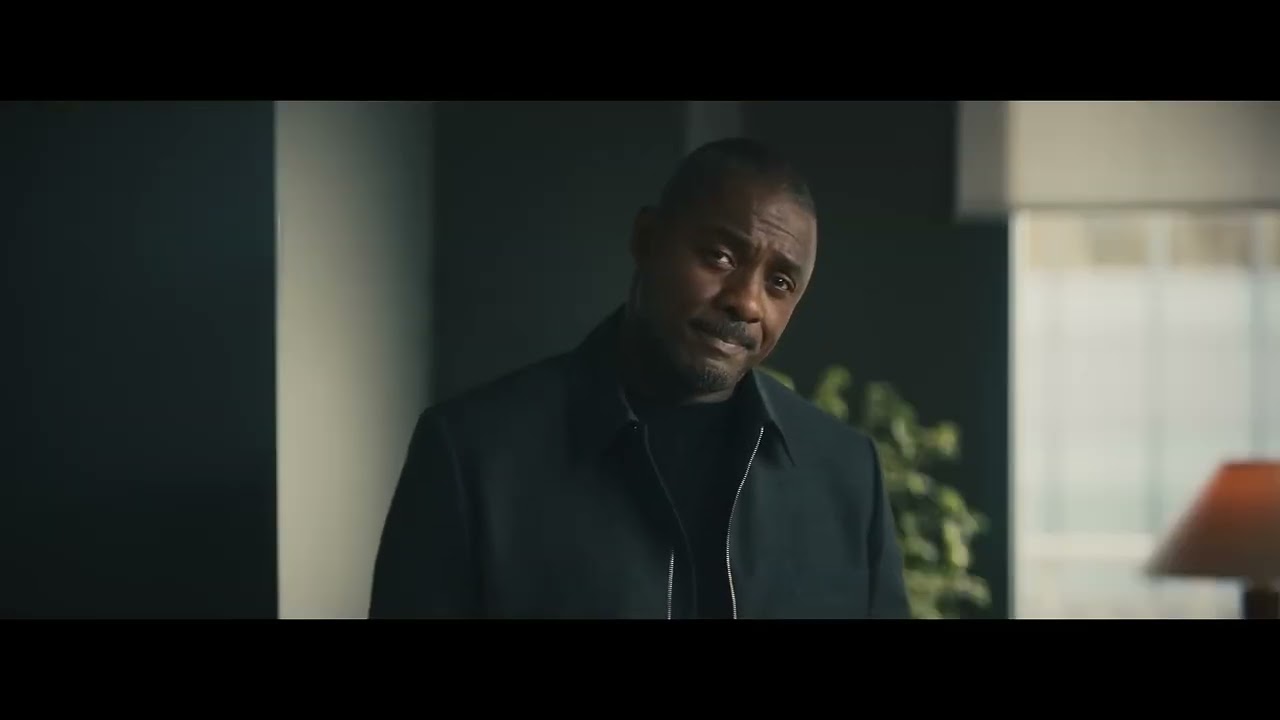
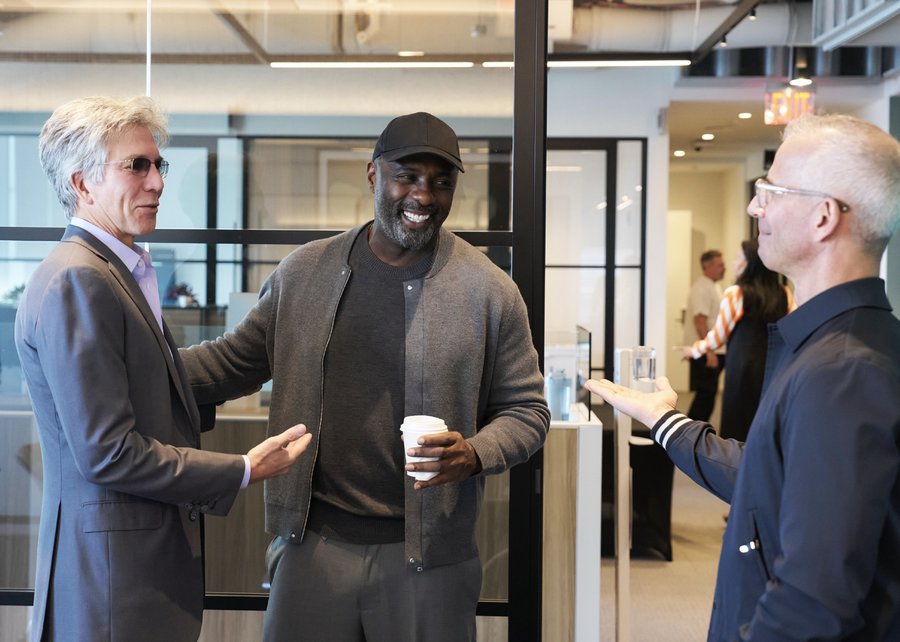
We cast Idris Elba as the CEO every CEO wants to be — charismatic, in command, and deeply curious about how his people work. Then we surrounded him with a cast of characters, each aligned to one of our buying groups:
The cast gave us a human system — a recurring world that audiences could return to, where every character spoke directly to a different buyer. Brand and demand, working as one.
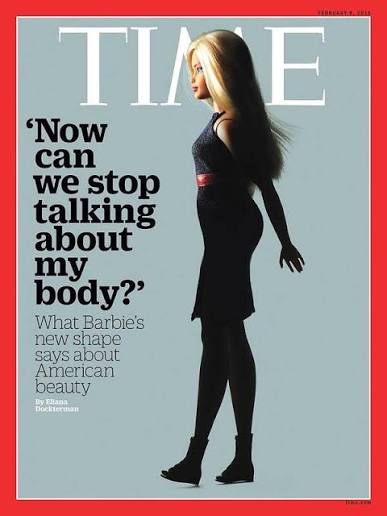
The President of Mattel, Richard Dixon (now Gap CEO) brought us one of the most recognized brands on earth. It was also in serious trouble. Eight consecutive quarters of declining sales. Millennial moms — the primary purchase decision-makers — had turned against it. Reams of research showed they believed Barbie sent harmful messages to their daughters about body image, ambition, and what girls could be. The toy hadn't changed. But the culture had.
Mattel needed to reframe Barbie's purpose — not as a fashion doll, but as a tool for imagination. The insight: Barbie had always been about possibility. We had to go back to Ruth Handler's original vision for the doll.
Traditional advertising wouldn't work. Millennial moms were skeptical of corporate messaging and highly attuned to inauthenticity. The only way to reach them was to make something they would choose to share themselves. That meant earning attention, not buying it.
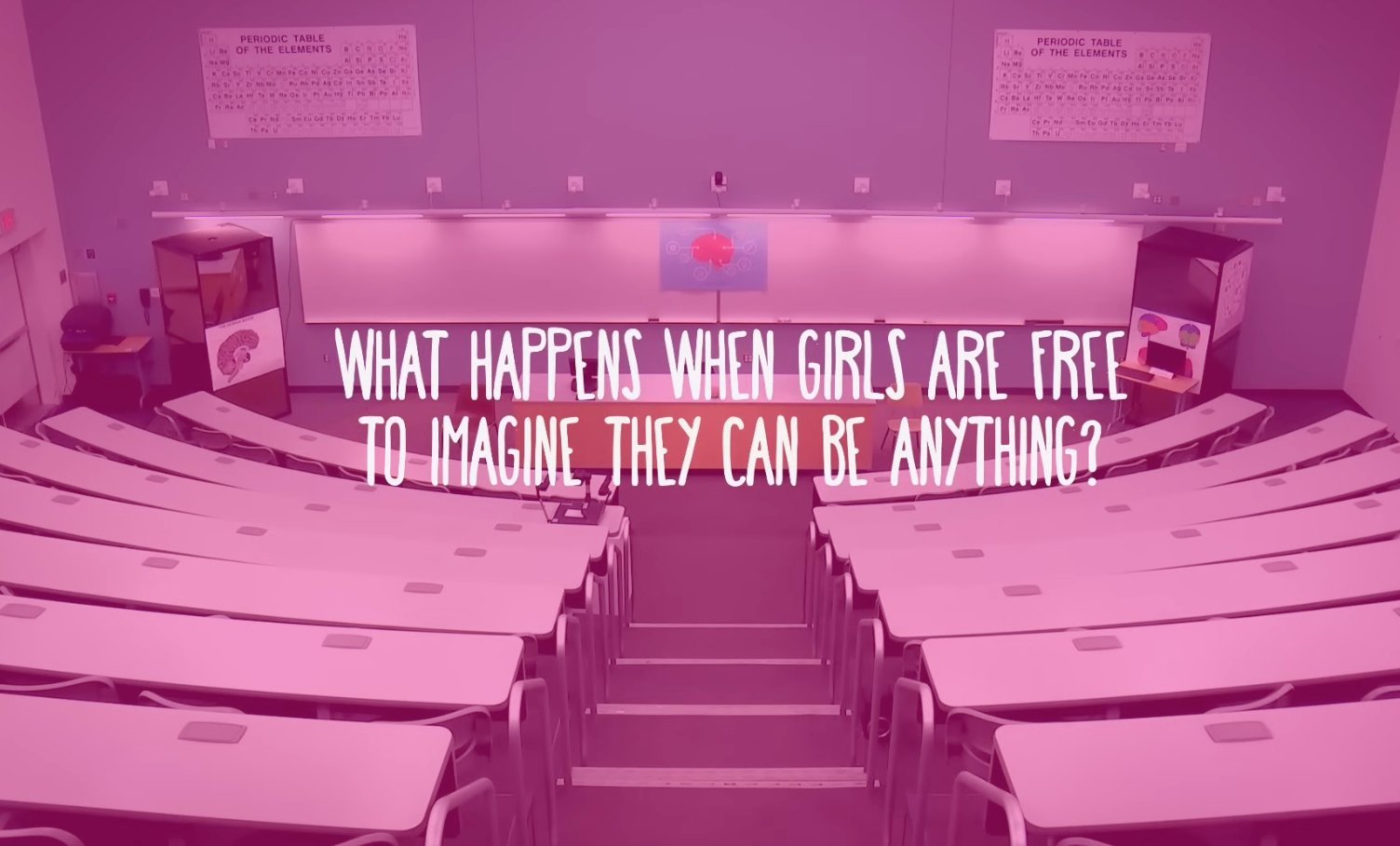
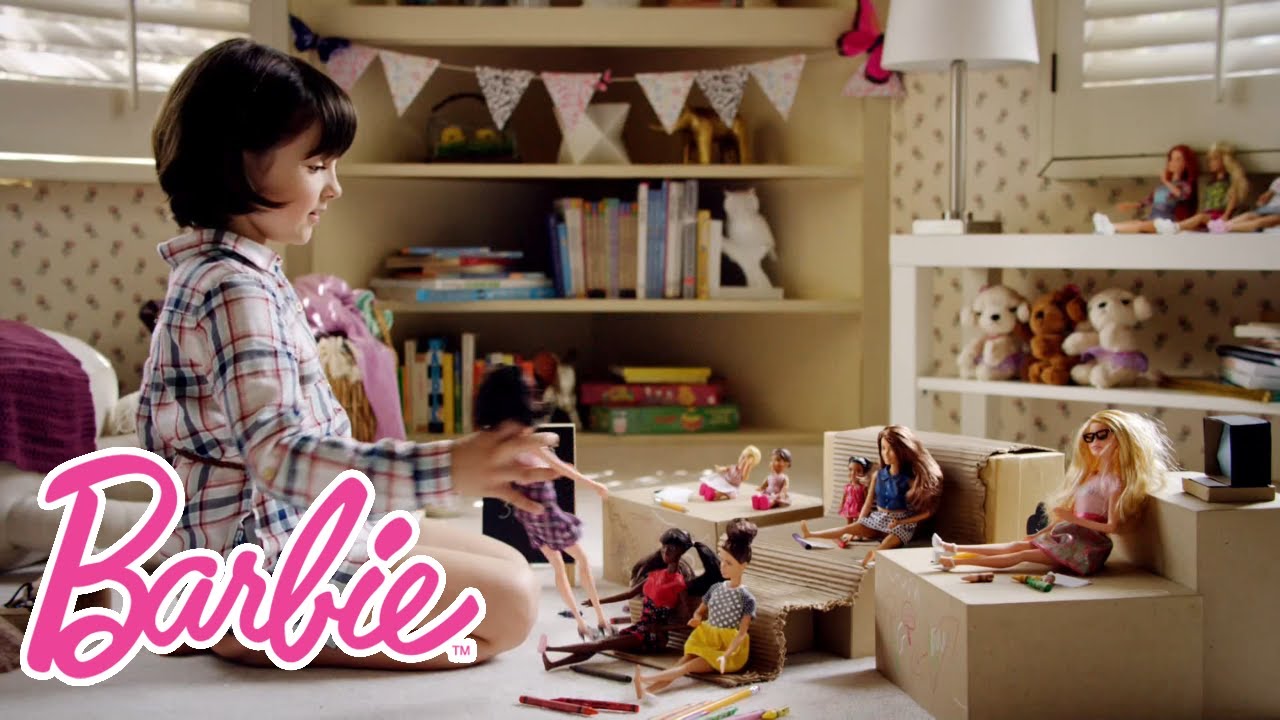
We created a nearly two-minute social film — no Barbie doll until the final seconds. Real girls, playing at being professors, museum curators, veterinarians, coaches. Adults responding to them as if they were exactly that. The film didn't argue for Barbie. It demonstrated what Barbie makes possible.
The risk was significant.
A $7M total budget with a film that cost 5x Mattel's benchmark for advertising. It had no product news, no brand message until the end, and success entirely dependent on the very people who distrusted the brand choosing to spread it organically.
Goldman Sachs cited our work as a reason to buy Mattel stock. YouTube voted it, "the ad that restores your faith in humanity."
I believe great brands are built by teams, not individual heroes.
That brands aren't built by what companies say.
They're built by what people believe.
That attention is earned, not owed.
And without it, everything else you spend on marketing is wasted.
That all great marketing begins with great strategy.
That creativity can manifest in myriad ways.
Design and copywriting are just two.
That AI will raise the floor of mediocre marketing.
And make the gap between mediocre and brilliant one of the last great moats.
That great work comes from great teams.
And great teams make it safe to have lousy ideas.
That it's really F*ing hard to build brands in B2B.
That cost means nothing.
Value means everything.
That a great idea can come from the receptionist.
And a lousy one can come from the CMO.
Taste is knowing which is which.
What five years inside one of the world's most innovative companies taught me about what actually builds an enduring brand. On CEO belief, team building, agency partnerships — and the difference between being the fun uncle and being the parent.
Read on LinkedIn →
With Bill McDermott (Chairman & CEO, ServiceNow) and Idris Elba.
"You've been at that place long enough. I want you to come here and paint your brand masterpiece."
— Bill McDermott, Chairman & CEO, ServiceNow
Appointed as ServiceNow's first CBO one year after joining. Built fully integrated Global Brand Marketing Organization — now spanning Brand Strategy and Measurement, Creative, Advertising, Experiences, Content, Media, Sponsorships, Thought Leadership, Social Media, Talent Brand, ServiceNow University and ServiceNow.Org marketing. Anchored by a Brand Center of Excellence that sets the standard for how the ServiceNow brand shows up across every touchpoint globally. Launched the most integrated brand relaunch in company history.
Goal from day one: build the most poachable brand team in the industry — where no one wants to leave. Great brands are built by teams, not individual heroes. Everything on this page is the work of many.
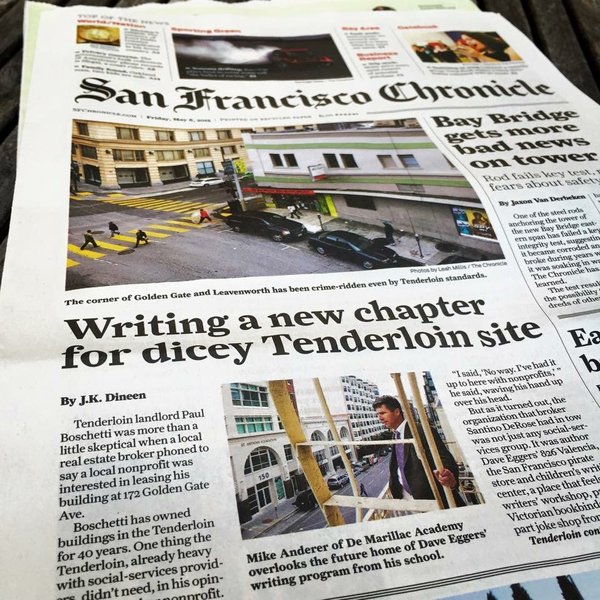
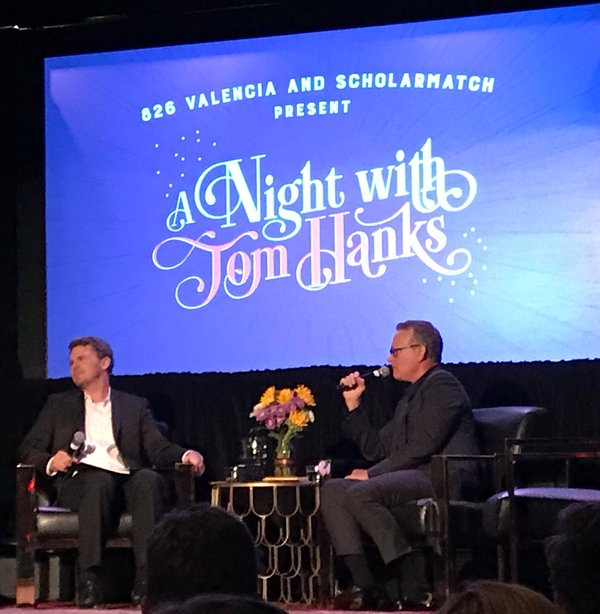
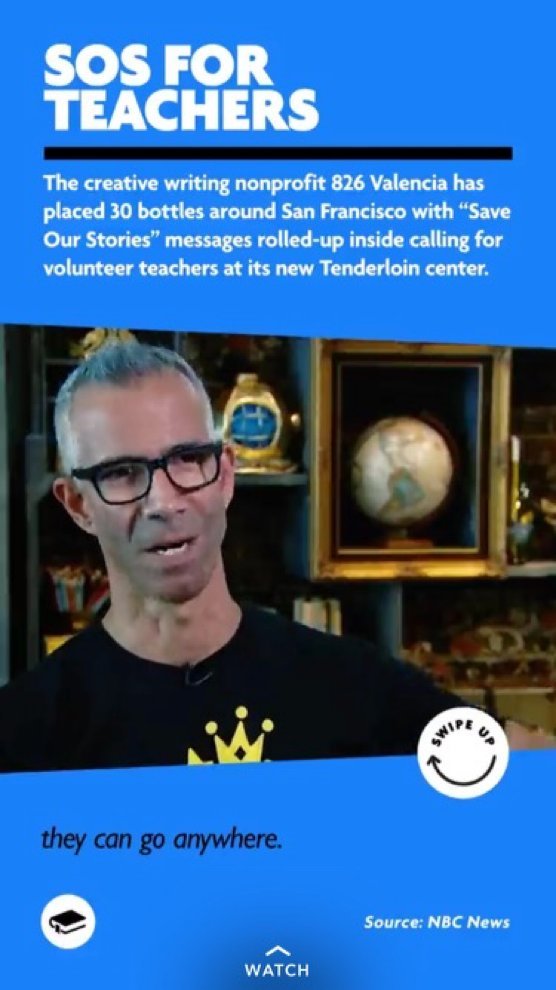
SF Chronicle · A Night with Tom Hanks for 826 Valencia · NBC News
I believe in the power of writing to transform lives, not just businesses. That's why I gave nearly a decade to 826 Valencia — the non-profit founded by Dave Eggers that runs writing centers for underserved San Francisco students.
As Board Chairman, I led a full restructuring of the board, launched two new boards (Associate Board and Advisory Board) including the first-ever student alumni seat, and oversaw a budget that grew 5×. We expanded from one writing center in the Mission to three — adding the Tenderloin and Mission Bay, raising millions of dollars along the way.
We built the brand of 826 Valencia by frequently getting on national news like NPR, NBC Nightly News with Lester Holt and TikTok's "Now This News," thanks to guerilla-style campaigns my team at BBDO created.
During the pandemic, when nearly every non-profit in America was laying people off, we didn't lose a single member of our staff.
I've also served on the Advisory Board of Dwell Magazine and on the Board of BBDO New York. Outside work: certified CrossFit trainer, husband, father of two sons, and a regular on the trails of Northern California.
Great B2B brands don't just run campaigns. They show up in places that matter to the people they want to reach — and they do it with enough consistency and creativity that it stops feeling like marketing and starts feeling like taste.
At ServiceNow, we built a sponsorship and cultural partnership portfolio around that belief. Here's what it looks like in practice.
When we cast Idris Elba as our brand ambassador, we weren't buying celebrity. We were making a bet on a man whose values, stature, and cultural credibility aligned with where we wanted to take the brand.
That bet has compounded. Idris didn't just headline our campaigns — he closed Knowledge, our flagship customer event, with a DJ set at Sphere in Las Vegas. He's since been named TIME Magazine's cover for impactful philanthropy and was knighted by the King of England. Our partnership extends to Sherbro Island, where we're doing meaningful work together that goes well beyond a commercial brief.
We didn't sponsor the Tribeca Film Festival. We made two films for it.
Then we built customer and partner experiences around those screenings — turning a film festival into a platform for the kind of conversation you can't have in a conference room.
When we became a sponsor of Acquired — the breakout podcast about the world's greatest companies — we didn't just buy a pre-roll. We built a chapter-by-chapter history of ServiceNow told by hosts Ben and David, and created an interview segment with our CMO Colin Fleming that gave listeners real substance, not a sales pitch.
Acquired has since become essential listening for operators and investors. We were early, and we made the most of it.
Our partnership with the Laver Cup gave us access to one of sport's great theatrical stages — and we used it to create genuine experiences for customers and partners, not just logo placement.
It also led us to sponsoring Served, the number one tennis podcast, hosted by Andy Roddick. Brand recognition that lives in the ears of a highly engaged, affluent audience — week after week.
Formula 1 reaches the exact audience we want: global, high-stakes, performance-obsessed. Our partnership with Aston Martin Aramco gave us credibility in that world — and more importantly, gave our customers access to experiences that no amount of gifting or hospitality budgets can replicate.
GP weekends around the world. Paddock access. Moments people talk about for years.
This one sounds small. It isn't.
We rebuilt the ServiceNow company store from the ground up — because the merch a company puts its name on says something about its taste. Ours now does.
None of these are accidents. Each one was a deliberate choice to show up somewhere meaningful, with something worth saying, for an audience worth reaching. Together, they add up to something more valuable than any single campaign: a brand that people actually want to be associated with.
Enterprise software conferences are, almost without exception, forgettable. Endless sessions. Generic keynotes. Booths nobody wants to visit. People go because they have to.
We decided Knowledge would be the exception. Not a bigger conference — a business festival. Something people wanted to come to. Something that turned customers, partners, and the broader community into genuine brand believers.
That's a different ambition. It requires a different kind of thinking.
Attendance grew because people came back and brought their colleagues. I have the scars and the receipts.
Every detail is a brand statement — programming, production, food, flow, transitions. The standard wasn't "better than last year." It was better than anything else in the industry.
We brought in voices that made people think differently about business, creativity, and leadership.
You can't build a business festival with a conference planning team. The ambition requires different people.
As Knowledge has scaled, we've built what I believe is the best events team in the business. That means producers and logistics people, yes — but also creative people who think about this the way architects think about buildings. People who want Knowledge to be to ServiceNow what the Apple Store is to Apple: a physical expression of what the brand believes, done at a standard that makes you feel it the moment you walk in.
That kind of team doesn't just execute. They protect something. They push back when a decision would compromise the experience. They lose sleep over details that most people would never notice — because they know the cumulative effect of getting everything right is something you can't fake.
The question stopped being "are you going to Knowledge?" and started being "how do we make the most of Knowledge?"
That shift is what belief looks like at scale.